Concrete Contractor in Hilo, HI - Driveways and Slabs Planned for the Rain
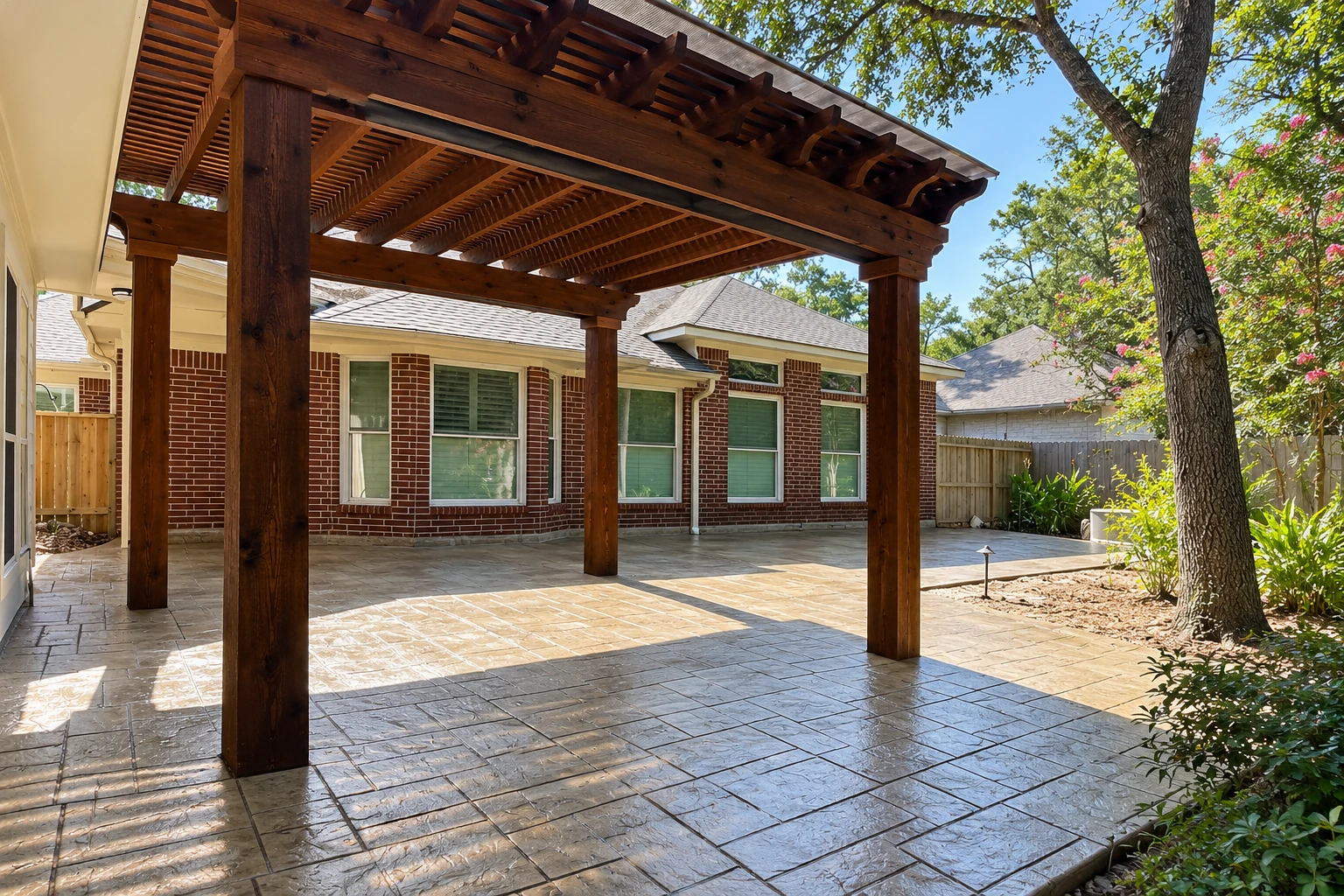
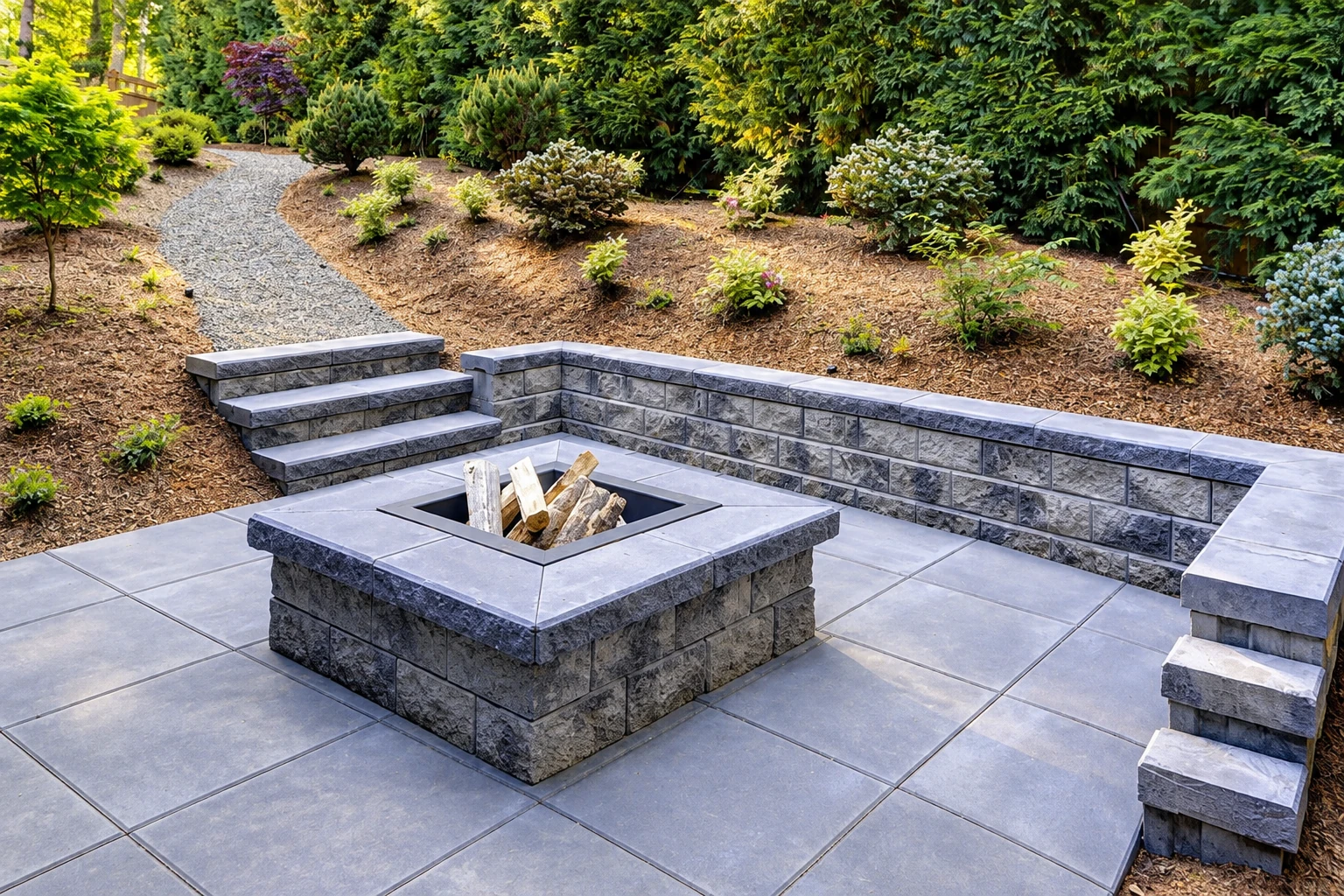
What Hilo homes need from a concrete slab
We're a concrete contractor based in Hilo, in the County of Hawaii, and we also work in Hawaiian Paradise Park and other cities nearby. Most of our calls come from homeowners planning a driveway, patio, slab or foundation. The houses range from older homes with worn carports and patched walkways to newer homes on lots that were cleared not long ago. People usually call once a slab has sunk, cracked or started holding water by the door.
Water shapes almost every job here. Rainfall can change a lot over short distances, so I look at where the water runs on your lot and what's under the old slab before I price anything. The base and drainage work moves the price the most, and rain on pour day moves the schedule.
What we fix on Hilo driveways and slabs
A soft, wet base
Dirt that was only raked flat settles when it stays wet, and the slab sinks with it. We dig down to firm ground and pack the subgrade, the layer the slab sits on, before we pour.
Water running at the house
A slab that tips toward the house sends rain at your foundation and leaves water pooling by the door. We check how your lot drains first and slope the new concrete away.
Slick, chipping tops
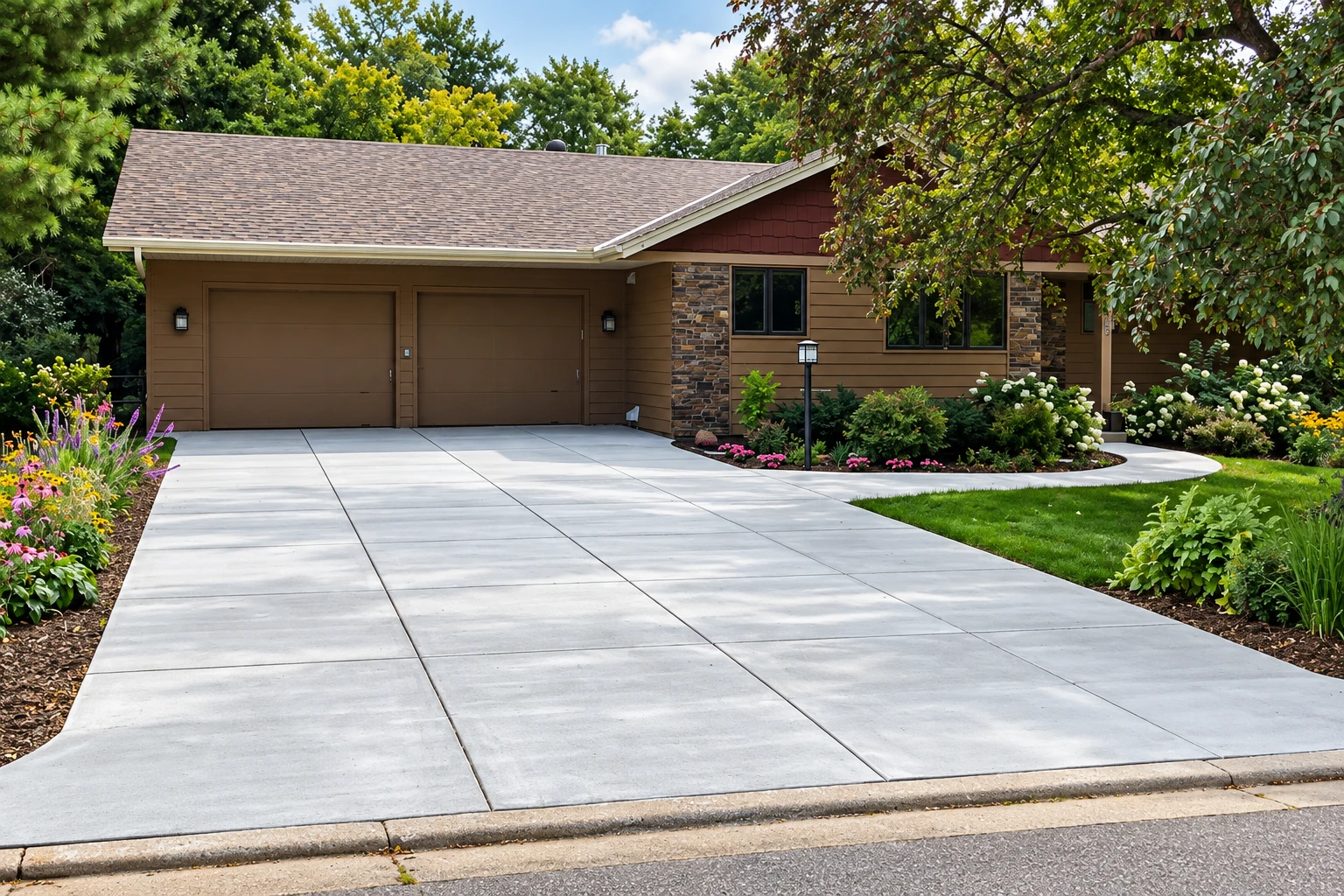
Smooth concrete gets slick when it stays wet, and a weak top wears down into chips and dust. We usually give driveways and walks a broom finish, a light ridged texture that grips in the rain.
Cracks in odd places
Concrete shrinks as it hardens, so it's going to crack somewhere. Control joints are grooves we cut on purpose, and they give it a straight line to crack along instead of across the middle of your driveway.
Should you fix or replace an old slab in Hilo?
If the slab is solid and level with a few thin cracks, it usually doesn't need to come out, and cutting out one bad section or sealing the cracks can keep it going a long while. If it has sunk, tipped toward the house or broken into pieces that rock underfoot, the problem is underneath. A new top on the same dirt will do the same thing again.
When we replace a slab, the money goes under it first. The base, the drainage and the rebar, the steel that keeps cracks from pulling apart, are all hidden the day after the pour, so they're the first thing people want to cut. I'd rather trim the fancy finish than the base, because a plain slab on good ground holds up better than a pretty one on soft dirt.
Concrete services in Hilo
- Concrete driveway building in Hilo, HI
- Concrete patio construction in Hilo, HI
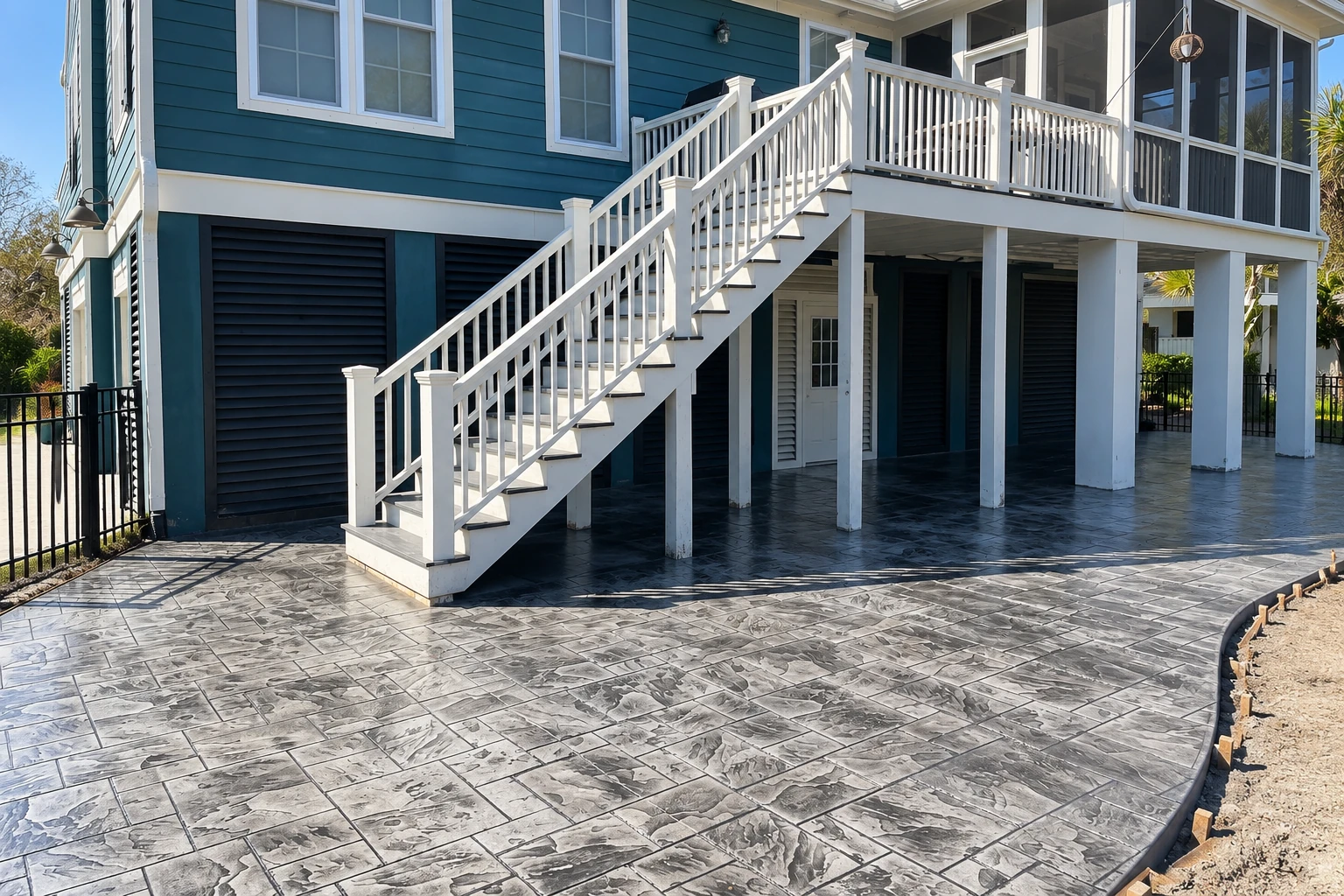
- Stamped concrete services in Hilo, HI
- Concrete sidewalk building in Hilo, HI
- Garage floor concrete in Hilo, HI
- Decorative concrete in Hilo, HI
- Concrete retaining walls in Hilo, HI
- Concrete floor installation in Hilo, HI
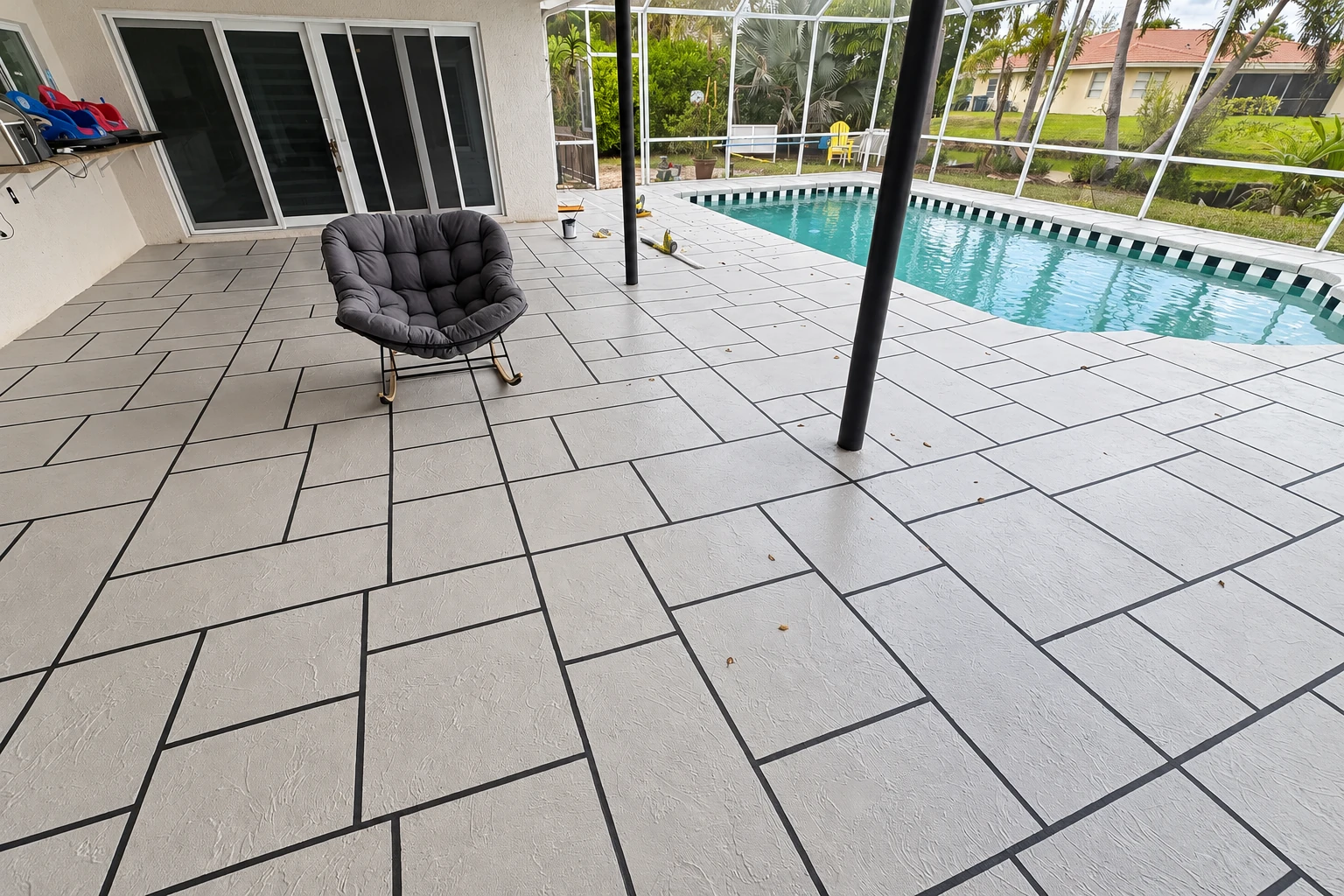
- Concrete pool decks in Hilo, HI
- Concrete steps construction in Hilo, HI
- Slab foundation building in Hilo, HI
- Foundation installation in Hilo, HI
- Concrete parking lot building in Hilo, HI
- Concrete footings in Hilo, HI
- Foundation raising in Hilo, HI
- Concrete cutting in Hilo, HI
Hilo concrete questions we hear
How much does a concrete driveway cost in Hilo?
The price is set mostly by the size and thickness of the slab, how much digging and base work your ground needs, and whether an old slab has to be broken out and hauled away. Drainage fixes and tight access for the truck add to it, and a plain broom finish costs less than stamped or colored work. I'll write you an estimate that shows what's included and what isn't, and our concrete driveway building page walks through the job itself.
Do I need a building permit for a concrete slab in Hilo?
You might, because the state building code lets each county require a permit from the building official for work the code covers. Whether your job needs one comes down to the county's own rules, so we look into permits while we plan your job. When one is needed, we take care of the paperwork with the county and tell you what it involves.
How do I check that a concrete contractor in Hawaii is licensed?
Ask for their state contractor license, which comes from the Contractors License Board, and make sure it's current. Every license renews by September 30 of each even-numbered year, and one that isn't renewed by its expiration date is unlicensed and can't do the work. Contracting income also falls under the state general excise tax license, which the Department of Taxation lists at a one-time $20 fee. We're licensed and insured, and I'm happy to show you.
Which seismic category applies to a house in Hilo?
The state residential code's seismic table for Site Class D, a soil type, puts the North and South Kohala, Hamakua and North Hilo districts in category D2 and every other Hawaii County district in category E. Which one applies to you depends on the district your property sits in. It matters most when we plan footings and foundations, because the category changes what the code asks of them.
Will a new concrete slab crack like my old one in Hilo?
It'll still crack a little as it shrinks, but on a packed base with joints in the right places, the cracks usually stay small and run along the joints. What sank or broke your old slab, usually the base and the water, is what we fix before the new one goes in.
How long does new concrete take before I can drive on it in Hilo?
You can walk on a new slab well before you can drive on it, and I'll tell you both days when we pour, because curing, the slow hardening that gives concrete its strength, goes at whatever pace the weather sets. Rain moves our schedule more than anything here, since we won't pour into a heavy downpour that would weaken the top, so keep some give in your plans around pour day.
Other areas, or call about yours
Pick another area below, or call (808) 229-1132 if your city isn't listed, because we work in other cities near Hilo too.
Tell us about your Hilo concrete job
Tell us what you want poured and what the old slab is doing. We reply within one business day, and I come out for a free, no-obligation estimate.