Concrete floor installation in Hilo HI - a slab planned around the covering you want
What does concrete floor installation in Hilo involve?
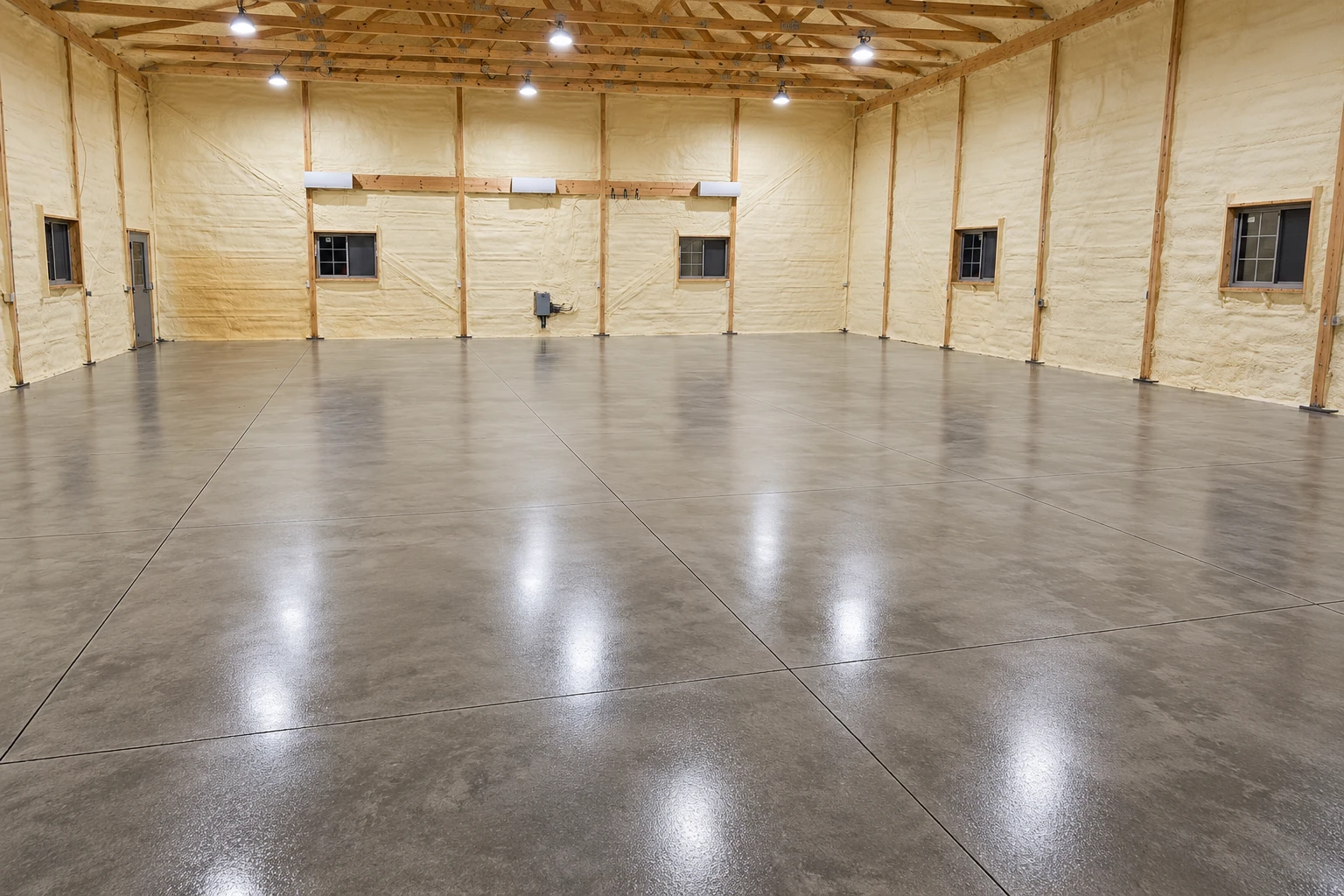
Mainstay Hilo Concrete Construction installs concrete floors in Hilo by packing the ground, placing the slab and finishing its surface into the floor you'll use. I start by asking what's going on top, because the covering you pick changes what goes under the slab and how long it should sit before flooring goes down.
The job runs in a set order. We dig out and pack the subgrade, which is the ground the slab sits on, then set the edges, pour, finish the surface and cut control joints, shallow cuts that give cracks a straight place to go. Price mostly follows the floor's size and the ground under it, the schedule follows the weather and drying time, and your written estimate shows your own figure.
Around Hilo the usual soil is deep, well drained volcanic ash, with about 145 inches of rain a year, and on some lots that ash sits over pahoehoe or ʻaʻā lava. That's why I look at what's under your floor before we plan the base, so the slab sits on ground we've actually checked.
Hawaii's Contractors License Board sets the license classes contractors work under, and we're licensed and insured. I come out to look at the job myself and work on site with the crew, and if your project reaches outdoors, we also build concrete steps and concrete pool decks.
What a floor job takes
- Settling what covering goes on top
- Digging out and packing the ground
- A vapor retarder when flooring needs one
- Picking the right time to pour
- Finishing the surface for your covering
- Cutting control joints and curing the slab
What to weigh before a concrete floor installation
What moves the price
Pulling out an old floor, how much digging and packing your ground needs, whether a vapor retarder goes under and the finish you want all raise or lower the price.
What the schedule turns on
Pour day waits on decent weather, and the room isn't ready for its new covering until the slab has dried enough for that flooring to go down safely.
Base before finish
If the budget's tight, I'd keep the money under the slab, because a smooth surface won't help a floor that sits on loose, unpacked dirt and settles with it.
Concrete floor questions from Hilo
Is some cracking normal in a new concrete floor?
Yes, some cracking and a little curling, where the edges lift slightly as the slab dries, is normal on every concrete floor, and owners should hear that before the pour. A crack on its own isn't proof of bad design or bad work, so I tell you early that a few hairline cracks are normal, and the control joints we cut steer most cracks to the places we chose.
Does my slab need a vapor retarder?
If an indoor slab will ever have a floor covering on it, it may well need a vapor retarder, a sheet laid under the concrete to slow moisture coming up from the ground. The catch is that one can raise the risk of plastic shrinkage cracking, small cracks that form when the fresh surface dries too fast, so it pays to settle your flooring plans before we pour. One maker's guidance says to weigh how moisture sensitive the planned finishes are and review where the retarder goes with everyone before work starts, and that's the talk we have at the estimate.
How do I know when flooring can go down on new concrete?
Most flooring makers require a moisture test on the slab before their product goes down, so the test result tells you when, not the calendar. Moisture coming out of concrete affects how coverings and coatings hold up, so leave time between the pour and the new floor, and check your flooring maker's instructions for the test they want.
How is a new concrete floor cured?
Curing, which means keeping fresh concrete from drying out while it gains strength, should start as soon as possible after finishing. Ready-mix industry guidance calls for either spraying on a liquid curing compound or covering the floor with wet burlap kept continuously moist for at least 3 days.
What causes cracks in concrete on the day it's poured?
The surface drying too fast causes them, and wind over 5 mph, low humidity and high air or concrete temperatures all speed that up. When conditions are poor, the same guidance has crews put up windbreaks and, where they can, sunshades, start a critical pour in the late afternoon or early evening, or pour early in the morning on very hot days. That's why we talk through pour timing when we set the date.
How much does concrete floor installation cost in Hilo?
Your price comes from the size of the floor, the base work your ground needs and what goes under and on top of the slab, so I give you a number after I've seen the job. The estimate is written to show what's included and what isn't, so you can compare it fairly with anyone else's.
Concrete floor installation near you
We're based in Hilo and pour floors in Hilo, Hawaiian Paradise Park and other cities nearby. Pick your area below, or call (808) 229-1132 if yours isn't listed.
Other concrete work
- Concrete driveway building
- Concrete patio construction
- Stamped concrete services
- Concrete sidewalk building
- Garage floor concrete
- Decorative concrete
- Concrete retaining walls
- Concrete pool decks
- Concrete steps construction
- Slab foundation building
- Foundation installation
- Concrete parking lot building
- Concrete footings
- Foundation raising
- Concrete cutting
Get a free estimate for your concrete floor
Tell us the room, its rough size and the floor covering you plan. I'll reply within one business day and come out to write your free, no-obligation estimate.